Home
/
Products
/
Warning: Undefined array key "category_name" in /www/wwwroot/foodmachine.issacindustry.com/App/Views/Web/Products/detail.php on line 86
Deprecated: str_replace(): Passing null to parameter #3 ($subject) of type array|string is deprecated in /www/wwwroot/foodmachine.issacindustry.com/App/Views/Web/Products/detail.php on line 86
/
Warning: Undefined array key "name" in /www/wwwroot/foodmachine.issacindustry.com/App/Views/Web/Products/detail.php on line 88
Deprecated: htmlspecialchars(): Passing null to parameter #1 ($string) of type string is deprecated in /www/wwwroot/foodmachine.issacindustry.com/App/Views/Web/Products/detail.php on line 88
Warning: Undefined array key "category_name" in /www/wwwroot/foodmachine.issacindustry.com/App/Views/Web/Products/detail.php on line 86
Deprecated: str_replace(): Passing null to parameter #3 ($subject) of type array|string is deprecated in /www/wwwroot/foodmachine.issacindustry.com/App/Views/Web/Products/detail.php on line 86
/
Warning: Undefined array key "name" in /www/wwwroot/foodmachine.issacindustry.com/App/Views/Web/Products/detail.php on line 88
Deprecated: htmlspecialchars(): Passing null to parameter #1 ($string) of type string is deprecated in /www/wwwroot/foodmachine.issacindustry.com/App/Views/Web/Products/detail.php on line 88
BESTSELLER
Warning: Undefined array key "variants" in /www/wwwroot/foodmachine.issacindustry.com/App/Views/Web/Products/detail.php on line 178
Deprecated: json_decode(): Passing null to parameter #1 ($json) of type string is deprecated in /www/wwwroot/foodmachine.issacindustry.com/App/Views/Web/Products/detail.php on line 178
Warning: Undefined array key "name" in /www/wwwroot/foodmachine.issacindustry.com/App/Views/Web/Products/detail.php on line 128
Deprecated: htmlspecialchars(): Passing null to parameter #1 ($string) of type string is deprecated in /www/wwwroot/foodmachine.issacindustry.com/App/Views/Web/Products/detail.php on line 128
In stock - bulk orders available
Warning: Undefined array key "variants" in /www/wwwroot/foodmachine.issacindustry.com/App/Views/Web/Products/detail.php on line 178
Deprecated: json_decode(): Passing null to parameter #1 ($json) of type string is deprecated in /www/wwwroot/foodmachine.issacindustry.com/App/Views/Web/Products/detail.php on line 178
Please use the floating tools on the right to contact us
Share This Product
Factory Price for Bulk Orders
Video Test Available Before Shipping
Custom Voltage & Plug Supported
English Manual & Training Provided
Contact Us for Best Solution
You May Also Like
View All
Water Treatment Equipment
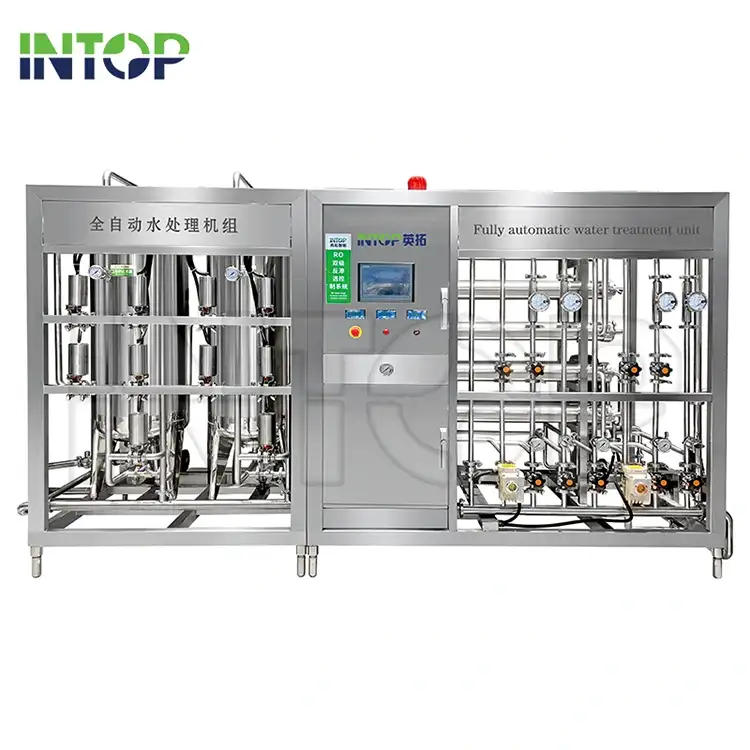
6 TPH Water Treatment System & 5 Gallon Filling Line | Complete Bottled Water Solution
Fruit Juicers Dairy Machine