New vs Used Food Processing Machines: Real Cost, After-Sales Risks & Smart Buying Advice
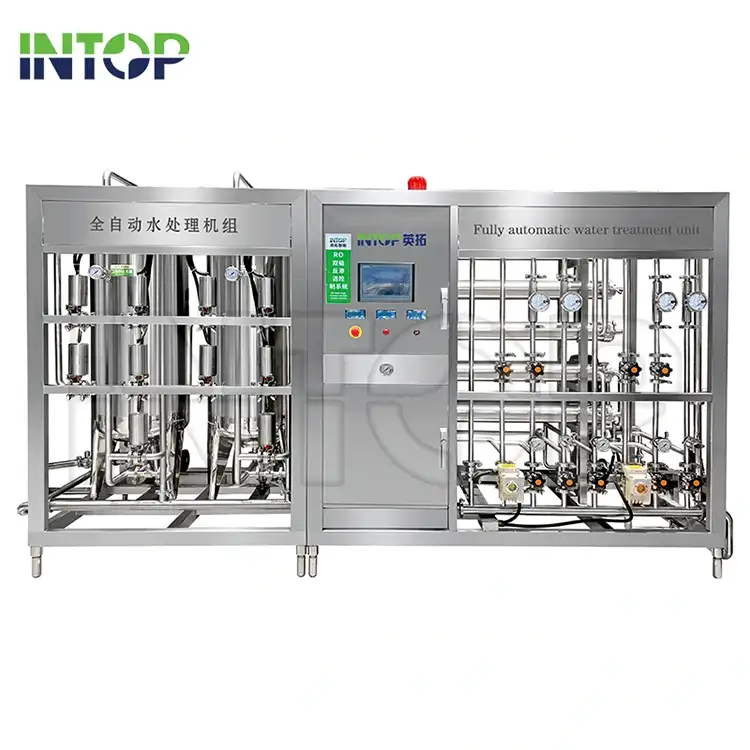
Many food and dairy processing buyers consider used machines to reduce initial investment, especially when starting a new project or entering a new market. At first glance, a second-hand machine may appear to offer quick savings. However, real project experience shows that lower upfront cost often comes with higher long-term risks. Used machines frequently face issues such as unstable output, worn components, outdated control systems, and lack of standardized spare parts. Without proper technical documentation or after-sales support, buyers may need costly modifications, repeated adjustments, and external technicians—leading to production delays and unexpected expenses. In contrast, new machines provide standardized design, reliable performance, and long-term technical support. While the initial price may be higher, predictable operation, energy efficiency, and guaranteed spare parts reduce total ownership cost over time. Choosing the right machine is not about price alone, but about stability, service, and sustainable production success.