| Parameter | Value / Description |
|---|---|
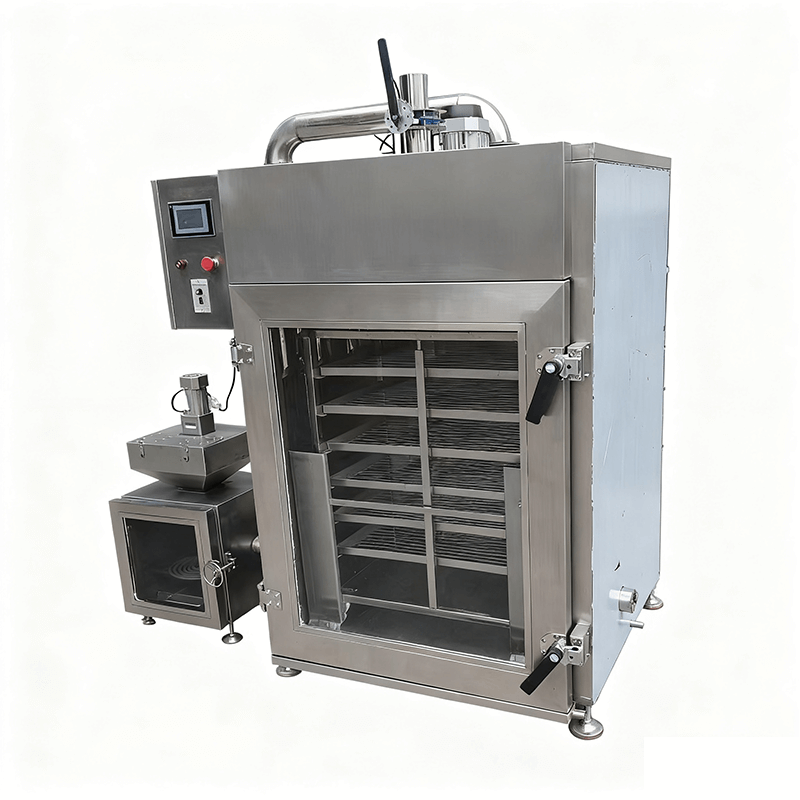
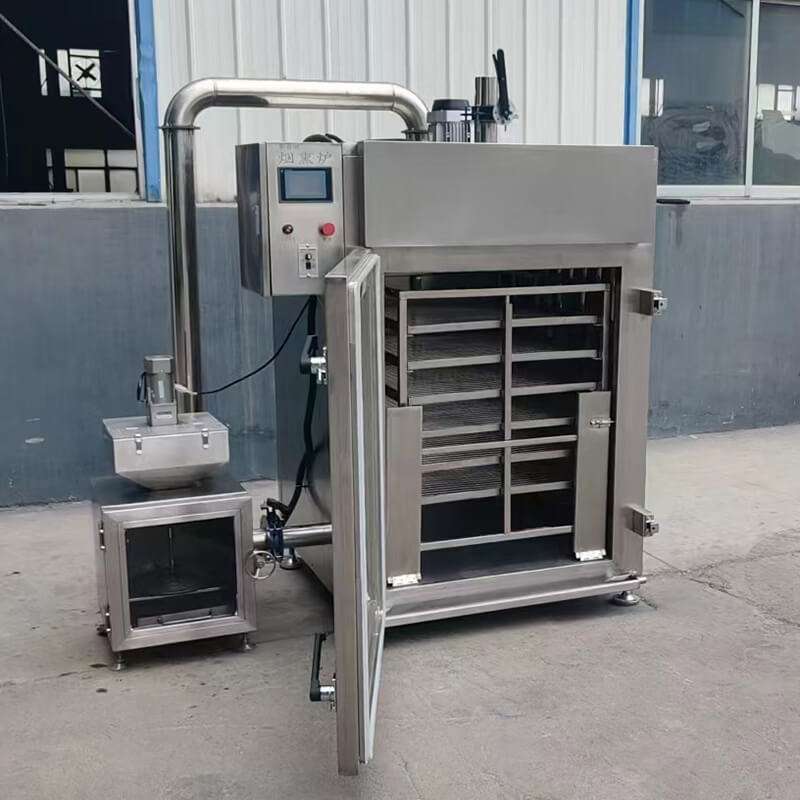
| Model | 50-type Smokehouse |
| Chamber Dimensions (LWH) | ~1000 975 1460 mm |
| Overall Dimensions (LWH) | ~2000 1200 1950 mm |
| Trolley Dimensions (LWH) | ~900 770 950 mm |
| Electric Heating Power | 12 kW |
| Motor Power | 1.5 kW |
| Cooking Power | 12 kW |
| Steam Heating | Requires steam source (steam generator or boiler) |
| Process | Cured raw meat undergoes cooking and smoking coloring |
The Best Way to Smoke Sausage: A Commercial Producer's Guide
Meta Description: Discover the best way to smoke sausage for commercial use. Our expert guide covers the smoking experiment process, from temperature control to achieving the perfect fully cooked product for retail sale.
For commercial producers, smoking sausage is both an art and a precise science. Moving from a small-scale operation to a factory setting requires meticulous processes, consistent results, and a deep understanding of food safety. This guide outlines the best practices for smoking sausage at a commercial scale, ensuring a high-quality, fully cooked product ready for market.
The Commercial Sausage Smoking Process: A Step-by-Step Overview
The goal is to transform raw, emulsified meat into a safe, shelf-stable, and flavorful product through the careful application of smoke and heat.
Phase 1: Preparation and Loading
- Curing: Most commercial sausages use a cure (e.g., Prague Powder #1) containing sodium nitrite. This is essential for food safety, preventing botulism, and giving the sausage its characteristic pink color and smoky flavor.
- Stuffing: Emulsified meat is stuffed into casings (natural or collagen) using automated stuffers to ensure uniform size and weight—critical for consistent smoking.
- Loading: Sausages are systematically loaded onto smokehouse trees or racks, ensuring ample space between links for optimal smoke and heat circulation. For high-volume factories, a smokehouse trolley system is used to roll entire batches into a large industrial smoke oven.
Phase 2: The Smoking and Cooking Cycle ("The Smokehouse Profile")
This is the core of the operation. Modern commercial smokehouses are computer-controlled to execute a precise time-temperature-smoke profile.
- Drying Stage (~130°F / 55°C): The first step is to dry the sausage casings. This is critical. A wet surface will not accept smoke properly. Air is circulated without smoke for 15-30 minutes until the casings are tacky to the touch.
- Smoking Stage (140-160°F / 60-71°C): Smoke is applied. The temperature is kept low to allow maximum smoke absorption without prematurely cooking the sausage. This is where the flavor and color develop. This can last from 30 minutes to several hours, depending on the desired smoke intensity.
- Heating/Cooking Stage (160-180°F / 71-82°C): The temperature is raised to pasteurize the product. The sausage is cooked until it reaches its target internal temperature.
- Final Internal Temperature: The USDA requires fully cooked sausages to reach an internal temperature of 155-165°F (68-74°C) and be held for a minimum time to ensure pathogen destruction. Always verify with local food safety regulations.
Phase 3: Cooling and Packaging
- Showering/Chilling: Immediately after cooking, sausages are showered with cold water to stop the cooking process and prevent wrinkling. They are then moved to a blast chiller to rapidly cool through the "danger zone" (40-140°F / 4-60°C).
- Packaging: Once chilled, the sausages are packaged for fresh retail sale, sent for further processing (e.g., vacuum sealing, freezing), or shipped to distributors.
Key Equipment for a Sausage Factory
Investing in the right equipment is non-negotiable for quality and efficiency.
- Industrial Smokehouse/Oven: The heart of the operation. Look for features like:
- Precise Digital Controls: For programming multi-stage profiles.
- Steam Injection: For cooking moist products like hot dogs or frankfurters.
- High-Capacity Loads: Designed to handle multiple trolleys.
- Self-Contained Smoke Generator: Or a system tied to an external generator.
- Smoke Generator: Creates smoke from hardwood sawdust (hickory, apple, cherry, mesquite).
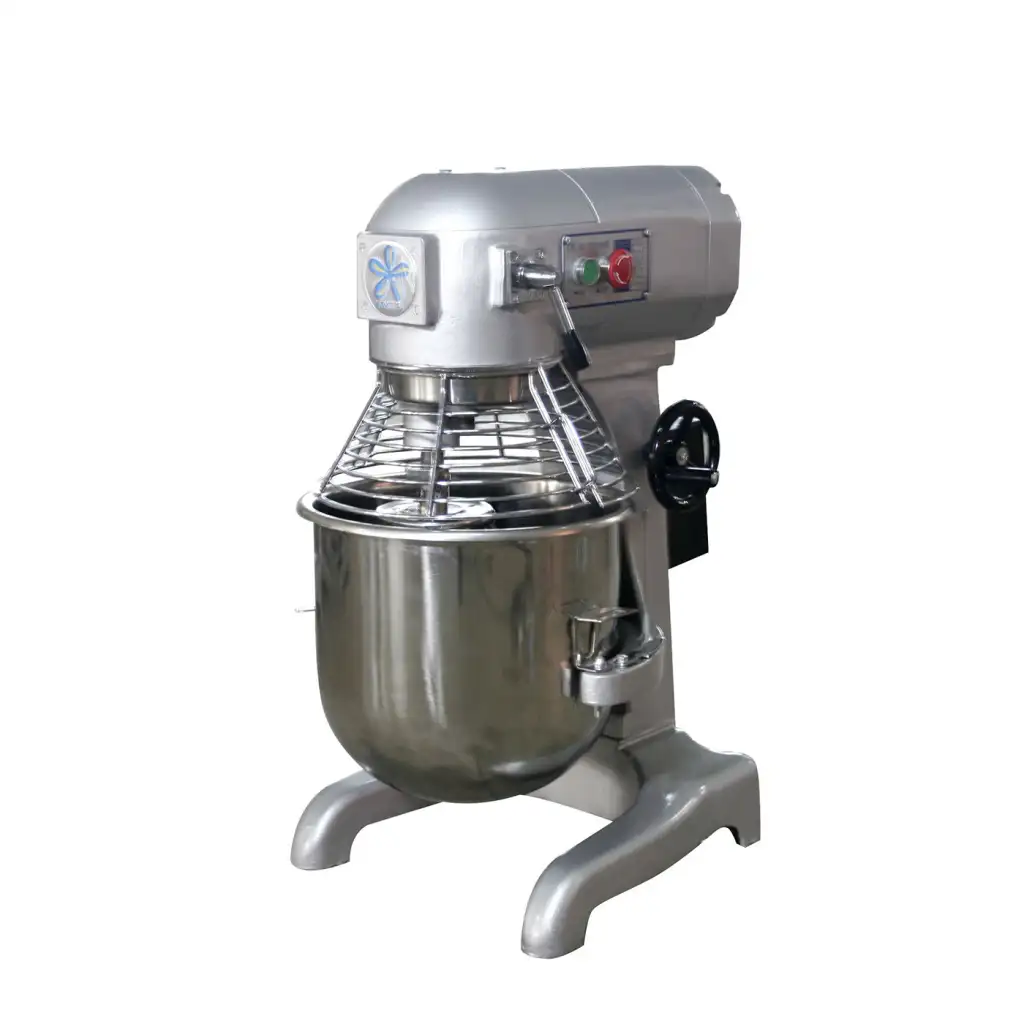
- Meat Grinders, Emulsifiers, and Stuffers: High-volume, stainless steel machines.
- Blast Chiller: Essential for rapid cooling to meet food safety standards.
Conducting Your Own Smoking Experiment
Even in a factory, R&D is key to developing new products. When running an experiment, change only one variable at a time and document everything.
| Variable to Test | What to Measure |
|---|---|
| Wood Type | Flavor profile, color intensity |
| Smoke Duration | Smoke penetration, color darkness |
| Curing Time | Overall flavor development |
| Temperature Ramp | Juiciness, texture, and yield |
The most important metric? Final internal temperature for safety. Always use a calibrated digital thermometer.
Conclusion: From Factory to Sale
The best way to smoke sausage commercially hinges on consistency, safety, and flavor. By mastering the smokehouse profile, investing in reliable equipment, and rigorously adhering to food safety protocols, you can produce a superior fully cooked sausage that stands out in the market. Perfecting this process ensures that every batch that leaves your factory is safe, delicious, and ready for consumers to enjoy.